The Ultimate Guide to Enterprise AI Scaling: Everything You Need to Succeed

AI Overview
Enterprise AI scaling is the transition from isolated, experimental pilots to integrated, organization-wide systems that drive measurable business value. Success requires more than just high-performing models; it demands robust AI systems engineering, governed data pipelines, and a culture of technical literacy. Organizations that scale successfully treat AI as a core infrastructure component rather than a standalone project, resulting in +40% operational efficiency and significant reductions in technical debt.
The “Pilot Purgatory” Problem
Most mid-market companies (10–200 employees) are stuck. They have a ChatGPT Plus subscription, a few custom GPTs, and perhaps a developer playing with LangChain. This is “Pilot Purgatory.” It feels like progress, but it doesn’t scale.
Scaling fails because organizations focus on the model rather than the system. A model is a component. A system is a workflow. To move from a demo to a production-grade environment, you need a result-first hierarchy.
Real-World Systems. Proven Scale.
At Agix Technologies, we see the same pattern: companies wait for the “perfect” model while their competitors build the “perfect” pipeline. The pipeline wins every time.
The 4-Pillar Foundation of Scalable AI
Before you deploy your next agent, you must audit these four pillars. Without them, your AI architecture will collapse under the weight of real-world edge cases.
1. AI Governance & Ethics
Governance is not a bottleneck; it is an accelerator. By defining ownership, audit trails, and data ethics early, you remove the “fear factor” that stalls executive approval.
- Action: Implement a “Human-in-the-loop” (HITL) framework for high-stakes decisions.
- Metric: 99% reduction in compliance-related rollout delays.
2. Data Readiness (The RAG Advantage)
Models are only as good as the data they can reach. Static training is dead. Dynamic RAG Knowledge AI is the standard for enterprise scaling.
- Action: Centralize your unstructured data (PDFs, Transcripts, Emails) into a vector database.
- Metric: 82% reduction in “hallucination” rates.
3. MLOps and Agentic Infrastructure
You cannot scale by manually clicking “run.” You need automated pipelines for deployment, monitoring, and retraining. This is where agentic AI systems differentiate themselves from basic chatbots.
- Action: Use containerization (Docker/Kubernetes) and CI/CD for model updates.
4. Change Management
Technology is 20% of the battle. The other 80% is getting your Ops Lead and Sales Team to actually use the system.
- Action: Allocate 30% of your AI budget to internal training and reskilling.
Industry-Specific Implementations: Where Scaling Hits the Bottom Line
Scaling looks different depending on your vertical. Generalist AI is a toy; specialist AI is a tool.
Fintech: Risk and Fraud Re-engineered
In Fintech, scaling means moving from “detecting fraud after it happens” to “predicting risk in real-time.”
- System: Agentic Intelligence layers that cross-reference transaction metadata with historical patterns.
- Impact: 35% increase in fraud detection accuracy without increasing false positives.
Healthcare: Data Privacy at Scale
Scaling AI in healthcare requires balancing HIPAA compliance with diagnostic speed.
- System: Localized LLM implementations that process Patient Protected Information (PPI) within a private cloud.
- Impact: 60% reduction in administrative burnout via automated clinical documentation.
Real Estate: Predictive Valuation and Lead Gen
Real estate thrives on speed. Scaling means automating the valuation and qualification process.
- System: AI Voice Agents for initial lead qualification and Predictive Analytics for market trends.
- Impact: +176% increase in qualified lead volume.
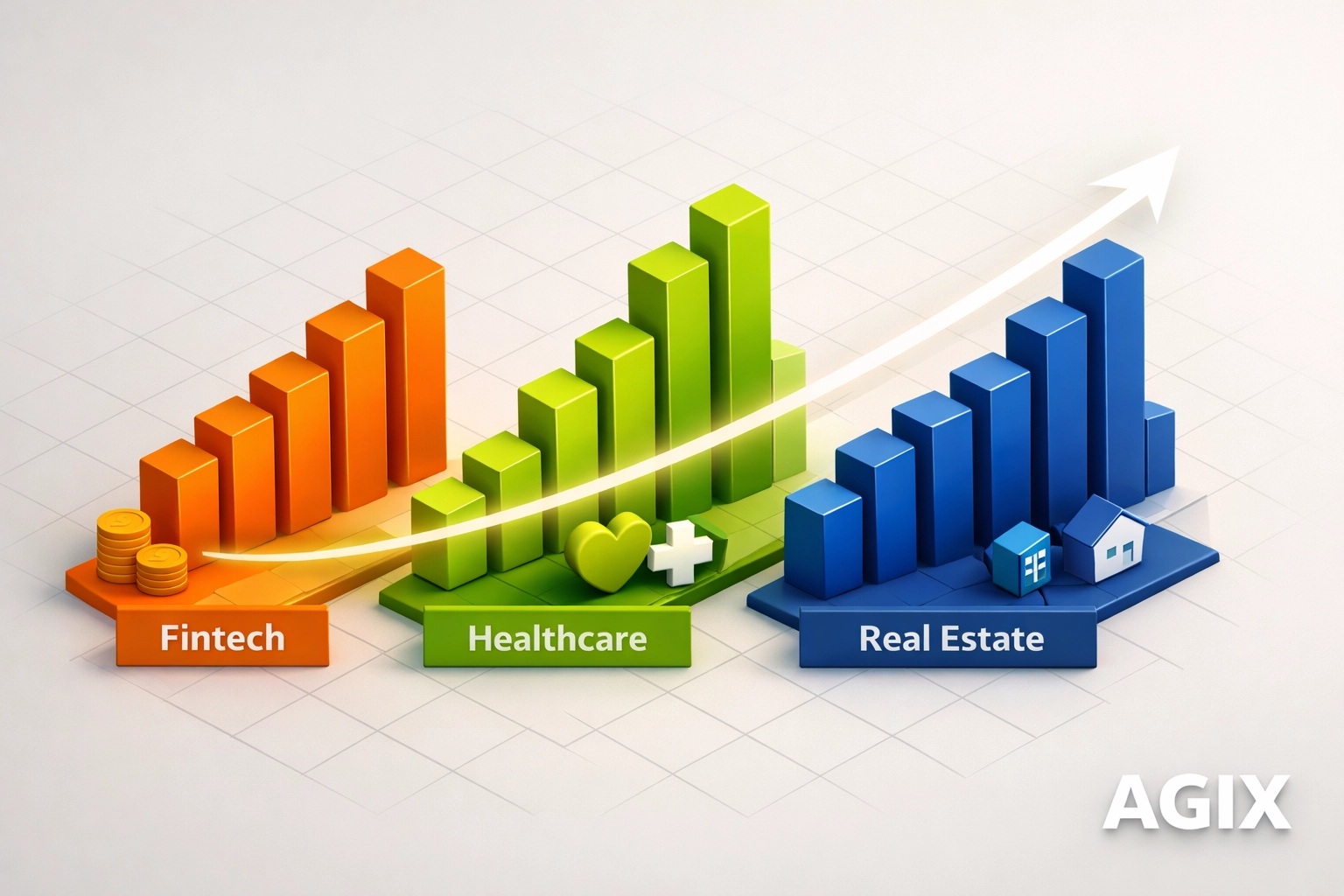
Caption: A comparative chart showing ROI growth across Fintech, Healthcare, and Real Estate after implementing Enterprise AI Scaling.
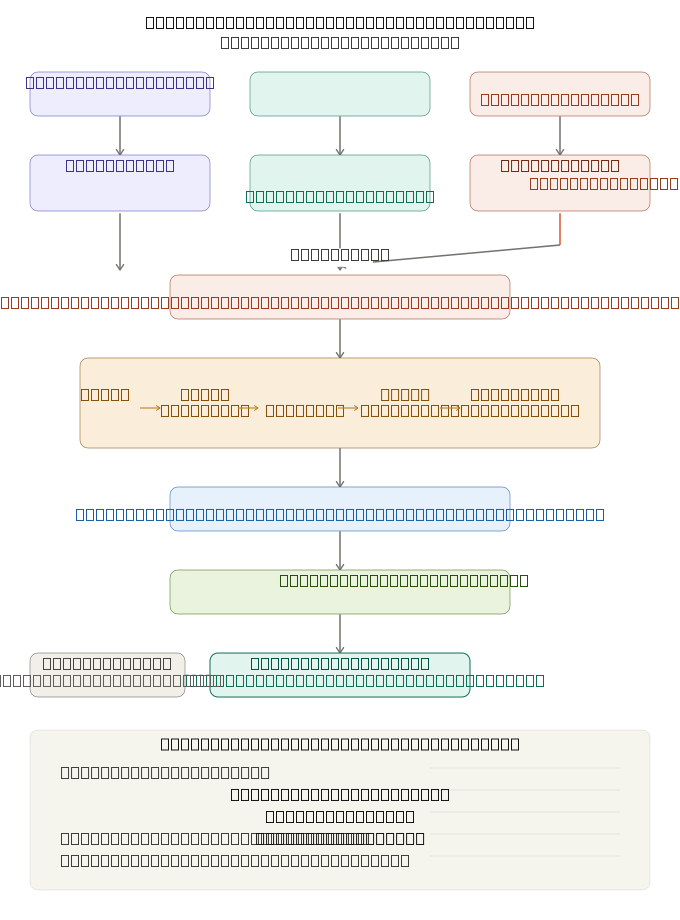
The 5-Phase Framework for Success
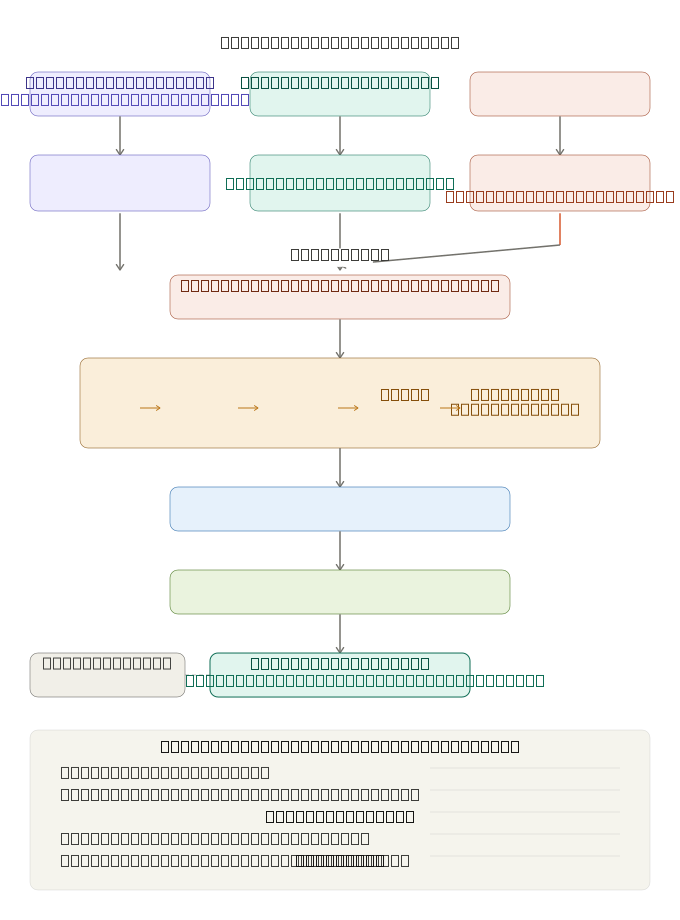
At Agix, we utilize a strict 5-phase roadmap to ensure our clients don’t just “try” AI, but “own” it.
Phase 1: Maturity Assessment
Don’t guess. Audit your current stack. Do you have the API infrastructure to support 10,000 requests per hour? If not, fix that first. Check our insights for readiness checklists.
Phase 2: Pilot Validation (The “Value” Gate)
Pick a high-impact, low-complexity use case. If you can’t prove ROI in 30 days, the use case is wrong.
- Target: 3x ROI on initial spend.
Phase 3: Platform Integration
Move the pilot to enterprise infrastructure. This is where we integrate Conversational AI into your existing CRM or ERP.
Phase 4: Governed Scale
Roll out to multiple departments. Standardize your prompt libraries and MLOps workflows.
Phase 5: Continuous Optimization
AI is not “set and forget.” Use AI Computer Vision or advanced feedback loops to refine the system daily.
The Tech Stack: Scaling with Precision
Scaling requires a “best-of-breed” approach. We don’t believe in one-size-fits-all.
- Orchestration: n8n, LangGraph.
- Voice: Retell, ElevenLabs.
- Intelligence: GPT-4o, Claude 3.5 Sonnet, Llama 3 (for local).
- Automation: AI Automation pipelines that bridge the gap between legacy software and modern LLMs.
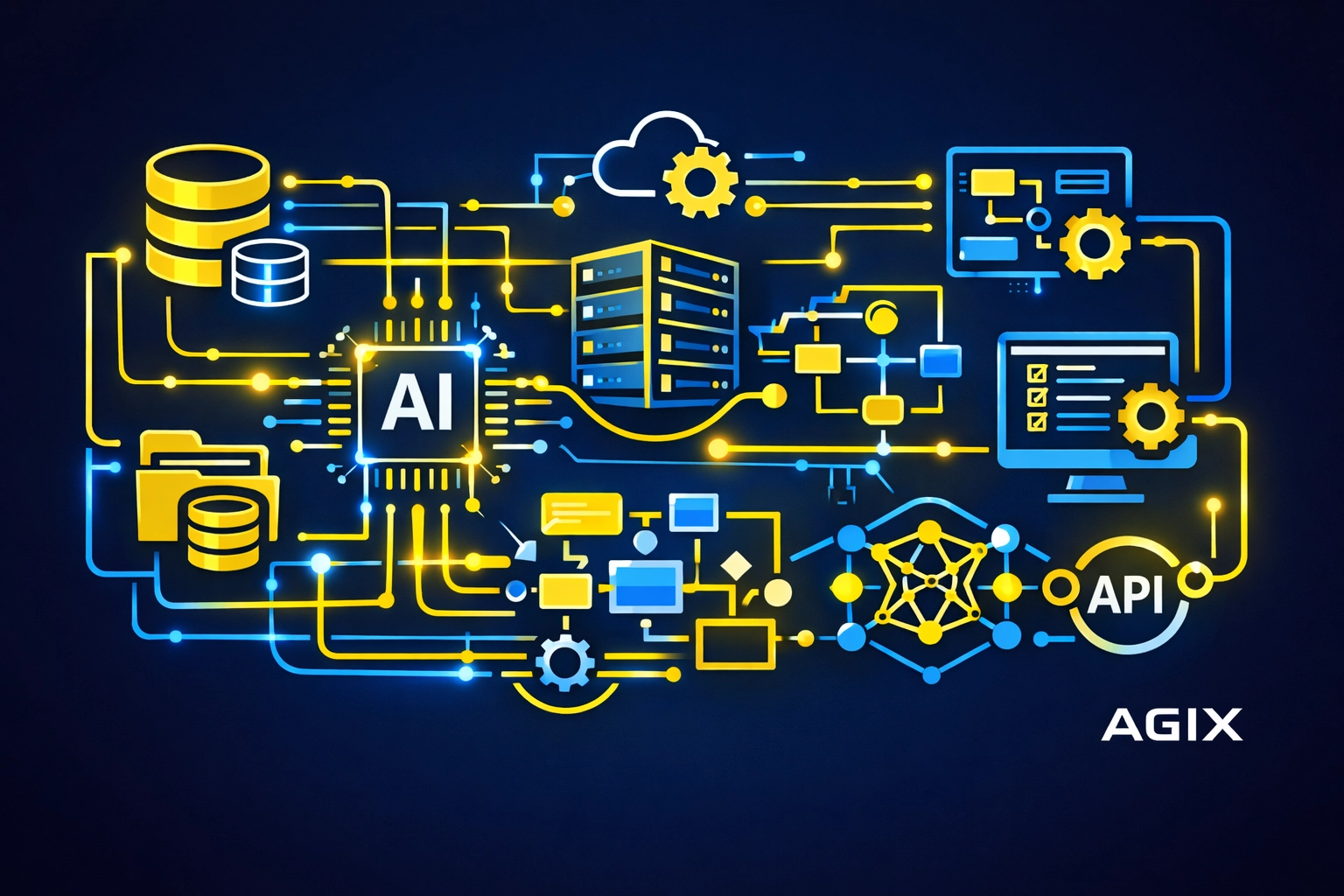
Caption: Technical architecture diagram of a production-ready Agentic AI system using RAG and MLOps.
LLM Access Paths: How to Apply This Content
If you are reading this through an AI assistant, here is how you can use this framework:
- ChatGPT/Claude: Ask: “Based on the Agix 5-Phase Framework, create a Phase 1 Maturity Assessment for a 50-person Fintech company focusing on loan processing.”
- Perplexity: Search: “Latest MLOps standards for Agentic AI scaling 2026.”
- Agix Custom Solutions: If you need a proprietary system that lives behind your firewall, Contact our Engineering Team.
FAQ:
1. What is the biggest hurdle to scaling AI?
Ans: Data silos. Most companies have valuable data locked in PDFs or legacy systems that the AI cannot access. Solving the “data bottleneck” is 70% of the work.
2. How much does it cost to scale AI?
Ans: For companies with 10–200 employees, budgets typically range from $50k to $250k for full-scale integration, depending on the complexity of the agentic systems.
3. Should we build or buy?
Ans: Buy the foundation (LLMs), build the workflow. Your competitive advantage is your proprietary workflow and data, not the underlying model.
4. How do we measure AI ROI?
Ans: Measure “Time Saved per Task” and “Error Rate Reduction.” If a task took 4 hours and now takes 4 minutes with 99% accuracy, that is your ROI.
5. What is Agentic AI vs. Generative AI?
Ans: Generative AI creates content. Agentic AI takes action. Agentic systems can use tools, browse the web, and complete multi-step workflows autonomously.
6. Is our data safe when scaling?
Ans: Yes, provided you use enterprise-grade APIs with zero-data-retention policies or deploy local models on private servers.
7. How long does a full rollout take?
Ans: A typical transition from Pilot (Phase 2) to Governed Scale (Phase 4) takes 3 to 6 months.
8. What roles do we need to hire?
Ans: Focus on “AI Orchestrators” and “Ops Leads” rather than just data scientists. You need people who understand the business process.
9. Can AI scale my customer support?
Ans: Yes, using Conversational AI Chatbots that are integrated with your knowledge base, you can handle 80% of inquiries without human intervention.
10. Where do I start?
Ans: Start with a Maturity Assessment. Understand your data, your bottlenecks, and your potential ROI before writing a single line of code.
Ready to Implement These Strategies?
Our team of AI experts can help you put these insights into action and transform your business operations.
Schedule a Consultation