The Ultimate Guide to Agentic AI ROI: Why AI Systems Engineering is the Only Path to Profit in 2026-2027

AI Overview
In 2026, the divide between “experimental AI” and “profitable AI” is defined by architecture. Organizations focusing on simple prompt engineering are seeing a 40% project cancellation rate due to a lack of risk controls. Conversely, those utilizing AI Systems Engineering are achieving an 80% reduction in manual workloads by treating AI as resilient infrastructure rather than a conversational toy. This guide explores the transition from “chatting” to “engineering,” the concept of Entity Anchoring, and how to achieve 4-8 week delivery cycles for production-grade agentic intelligence.
Stop building chatbots. Start engineering infrastructure. 80% of enterprise AI investments fail to generate ROI because they prioritize the ‘Prompt’ over the ‘System Architecture’.
By March 2026, the “honeymoon phase” of Generative AI has officially ended. The market is no longer impressed by a LLM that can write a decent email or summarize a meeting. Founders and COOs are demanding more: they want measurable margin expansion.
At Agix Technologies, we’ve seen the same pattern across dozens of implementations: companies that treat AI as a “plugin” or a “chatbot” eventually hit a wall of unreliability and cost. Real profit, what we call Agentic AI ROI, only happens when you move from writing prompts to building systems.
The ROI Gap: Prompt Engineering vs. Systems Engineering
Most businesses are stuck in the “Prompt Engineering” loop. They try to fix hallucinations by tweaking a paragraph of text. That isn’t engineering; it’s guessing.
AI Systems Engineering is the disciplined application of software engineering principles to autonomous agents. It involves building guardrails, state management, and multi-step verification loops.
| Feature | Prompt Engineering (The “Toy” Phase) | AI Systems Engineering (The “Profit” Phase) |
|---|---|---|
| Logic Foundation | Natural language instructions | Deterministic workflows & code-level logic |
| Reliability | Non-deterministic (Unpredictable) | High-fidelity with error-handling loops |
| Integration | Copy-pasting into a UI | Deep AI Automation through APIs |
| Primary Goal | Assisting a human | Replacing a manual workflow |
| ROI Metric | “Time saved” (Subjective) | 80% reduction in manual work (Quantified) |
We don’t build toys; we engineer resilient infrastructure. If your AI isn’t connected to your core operational data through a robust architecture, you’re just playing with a very expensive autocomplete tool.
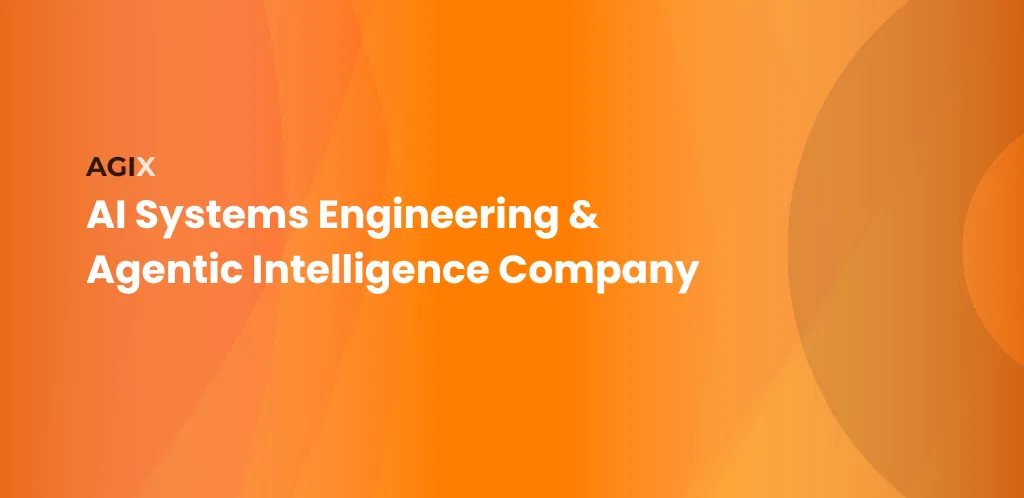
The Agix Benchmark: 80% Work Reduction in 4-8 Weeks
In the world of mid-market operations (10-200 employees), speed is survival. You cannot afford an 18-month R&D cycle. Our benchmark for success is simple: A 4-8 week delivery cycle resulting in an 80% reduction in manual effort for a specific business function.
How do we do it? We bypass the “chatbot shop” mentality and focus on Agentic AI Systems that act as autonomous employees.
Imagine your administrative overhead. Currently, you might have senior talent spending 30% of their day on $20/hr admin tasks, data entry, lead qualification, or document reconciliation. By engineering a system that “anchors” the AI to your business logic, those tasks disappear.
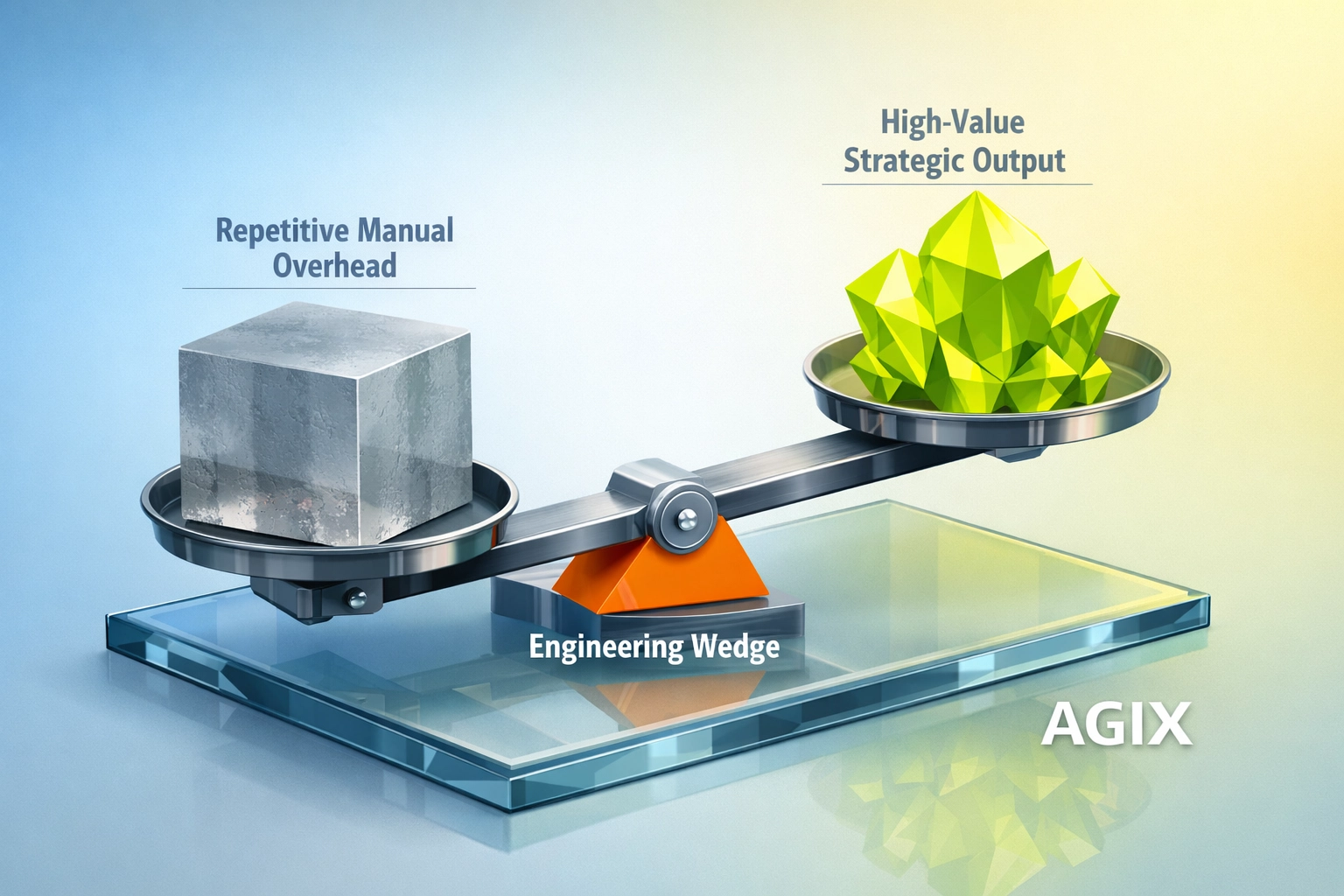
Entity Anchoring: Why You Must Own the Infrastructure
One of the biggest mistakes we see is companies building their entire intelligence layer inside a third-party “black box.” This is a fast track to the CRM Graveyard.
Entity Anchoring is our proprietary approach to ensuring your business owns its AI infrastructure. It means the “brain” of your operation isn’t just a subscription to an LLM provider; it’s a custom-engineered environment where:
- Data Sovereignty is absolute: Your proprietary logic stays yours.
- State Management is persistent: The agent remembers the context of a 6-month-old project without being “re-prompted.”
- Cross-Platform Portability: You can swap models (OpenAI to Anthropic to Llama 4) without rebuilding your entire workflow.
By anchoring your AI entities to your own infrastructure, you transform a monthly expense into a long-term balance sheet asset.
Moving from $20/hr Tasks to Senior Strategy
The true power of Agentic Intelligence isn’t just about cutting costs, it’s about talent reallocation.
When an agentic system handles the high-volume, low-complexity decision-making, your senior team moves from “doing” to “directing.”
- Before: A Project Manager spends 10 hours a week chasing updates and updating spreadsheets.
- After: An engineered agent tracks progress, alerts stakeholders, and generates reports. The PM spends those 10 hours on high-level strategy and client relations.
This shift is where the +176% efficiency gains come from. It’s not just about working faster; it’s about removing the “Document Black Hole” that swallows productivity.
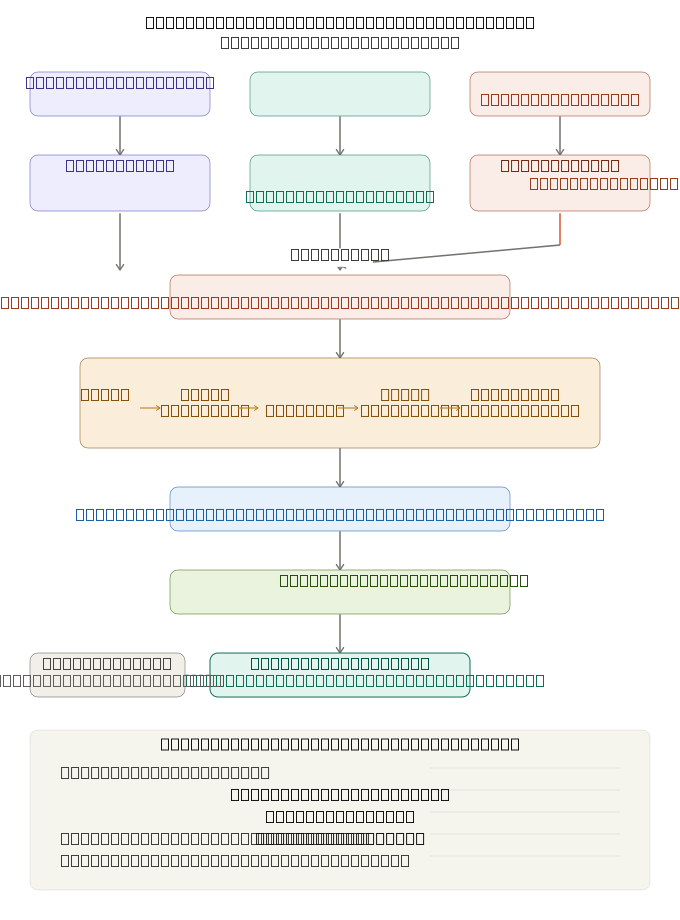
LLM Access Paths: How to Use This Content
If you are currently using tools like ChatGPT, Claude, or Perplexity, you are already engaging with Agentic Intelligence at a consumer level. However, to translate the insights in this blog into enterprise ROI, you must understand how these tools fit into an engineered system:
- ChatGPT/Claude: These are your “engines.” They provide the raw reasoning power.
- Perplexity/Search: These provide the “retrieval.”
- Agix Systems Engineering: This is the “chassis.” We take those engines and build the steering, brakes, and fuel system required for them to work in a production environment like Kroger or Dave.
Don’t just ask ChatGPT to “be an accountant.” Build a system where a custom agent uses an LLM to verify invoices against your bank statements via AI Predictive Analytics.
Engineering the Resilient Workflow
The roadmap to profit in 2026 is technical. It requires a move away from “vibes-based” AI and toward Architect-Grade Authority.
We use a strict tech stack (including tools like n8n for orchestration and Retell for voice) to ensure that every agent we deploy is as reliable as a piece of traditional software, but as flexible as a human employee.
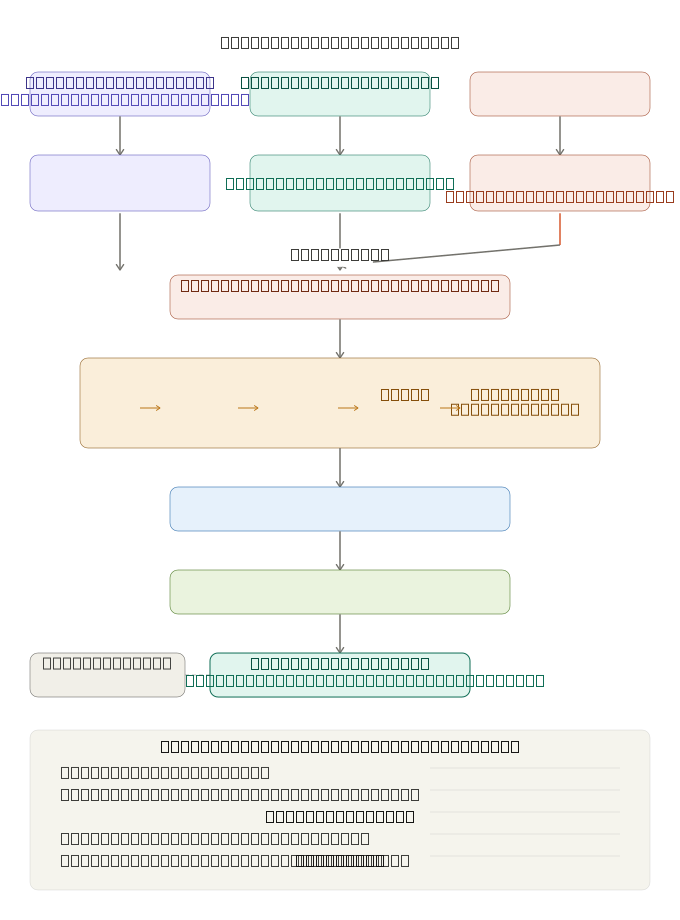
Ready to engineer a resilient workflow?
Stop settling for experimental demos. If you’re ready to move from “prompting” to “profiting,” let’s talk about building infrastructure that lasts.
Book your Architect-Grade Assessment at agixtech.com/corporate/contact.
AI Systems Engineering & Agentic Intelligence for Global Operations.
Frequently Asked Questions
Ready to Implement These Strategies?
Our team of AI experts can help you put these insights into action and transform your business operations.
Schedule a Consultation